
This post (likely) contains affiliate links, including Amazon Associates links, and I may receive a small commission if you click one. This is at no extra cost to you.
If you are looking for dramatic landscapes and adventure, then Colca Canyon in Peru is somewhere you need to add to your Peru itinerary.
Colca Canyon in Peru offers travellers a chance to get up and close to the dramatic Peruvian nature. Most people head here to see the famous Condors flying, more on this to come, but there is also so much more to do in this area of the country. From thermal baths to beautiful little towns and a plethora of hikes to walk along, there is something for everyone.

Colca Canyon is the deepest canyon in the world, twice as deep as the Grand Canyon. Reputedly there is one canyon in Peru that is deeper – the Cotahuasi Canyon, but this hasn’t been proven and is also virtually inaccessible. So, if you are looking for adventure Colca Canyon is the place to go!
I visited as part of my two-week tour with G Adventures: Peru: Ancient Cities and the Andes.
What is the Colca Canyon
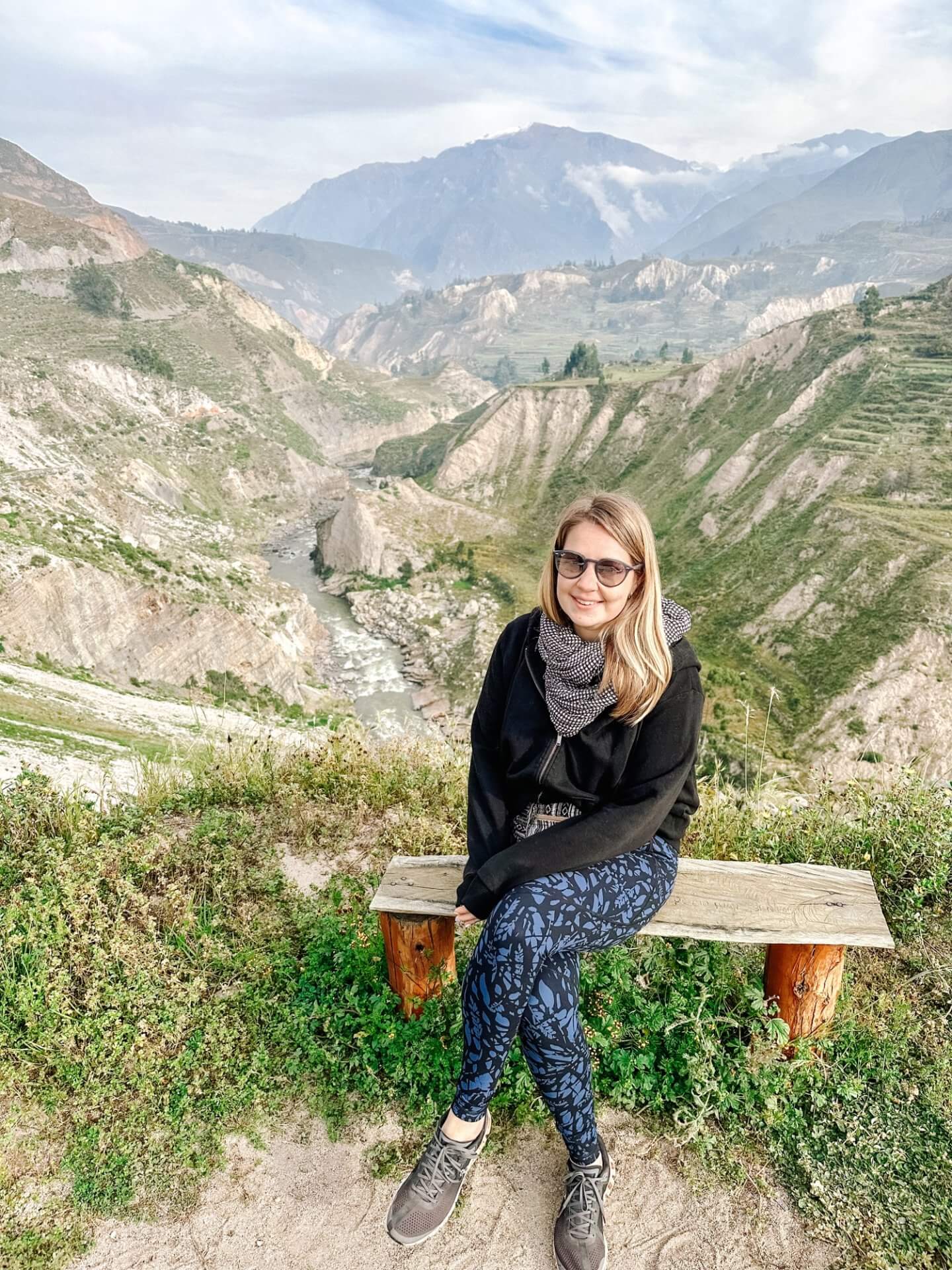
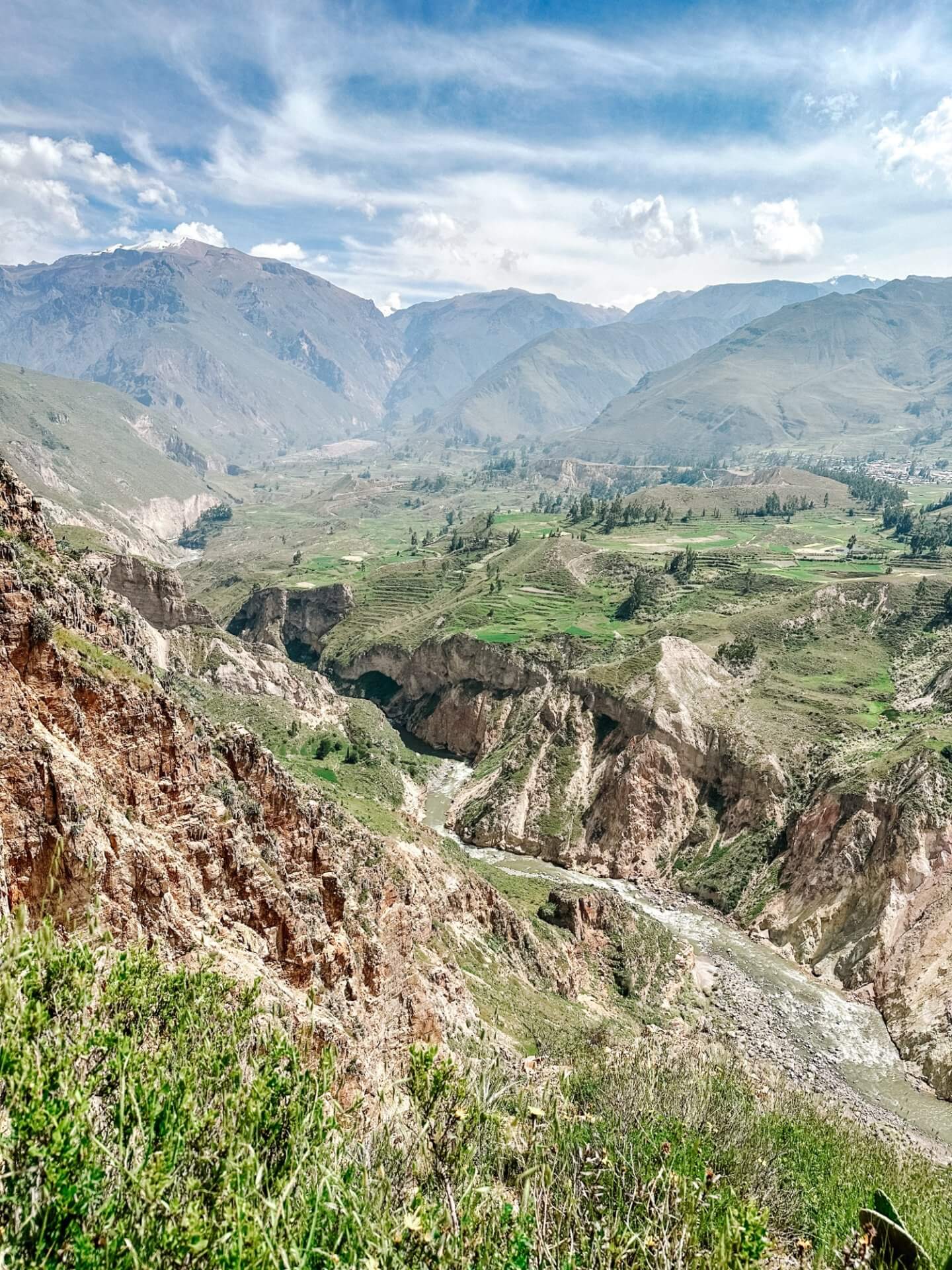
Located in the Peruvian Andes, the Colca Canyon is about 160 km northwest of Arequipa. It is approximately 70 KM long and it’s and its deepest point it is 3,400m deep! Whereas the edges are somewhere between 3000 and 4000m above sea level. The canyon is known for its stunning natural beauty, including dramatic landscapes, terraced agricultural fields, and traditional villages.
How to get to Colca Canyon in Peru
It takes around a three-hour drive to get to the Colca Canyon from Arequipa, and the only real way there is by car. Even if you are not exploring Peru as part of a tour, most people choose not the drive this journey themselves. The roads can be quite intense in Peru, and places to get petrol are few and far between. Plus, self-driving tends not to save you any much money anyway.
Instead, most people chose to visit as part of an organised tour. Take a look at various options such as this one-day trip from Arequipa.
Where to stay in Colca Canyon
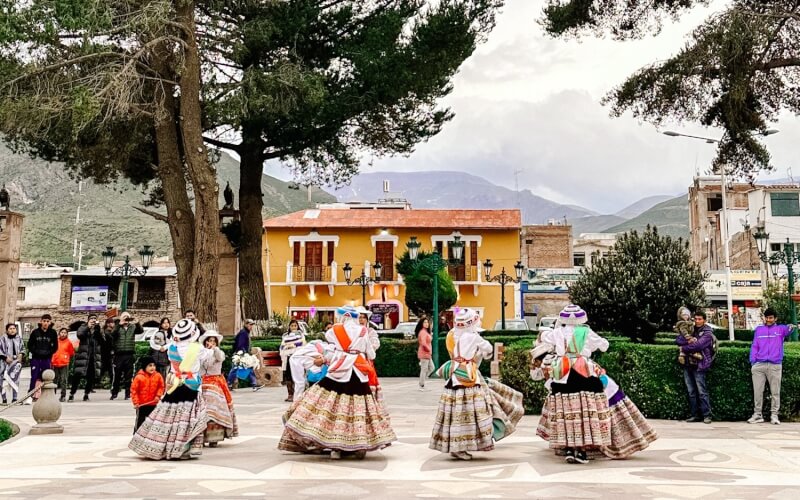
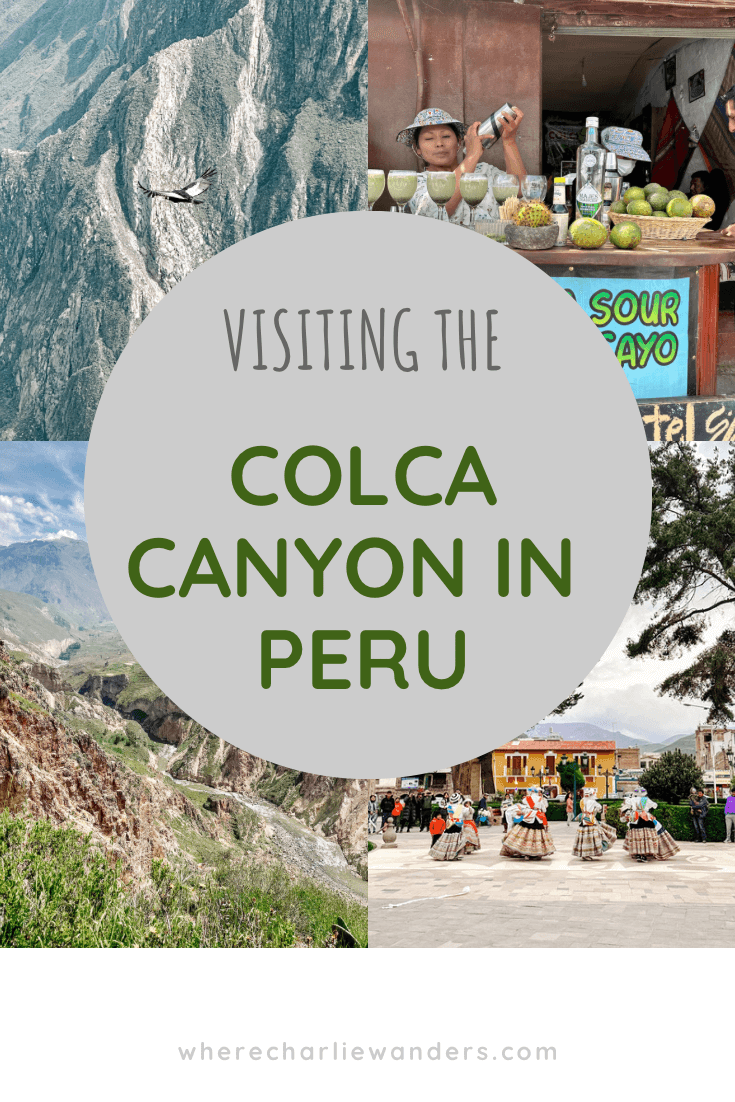
If you aren’t visiting the Colca Canyon in Peru to go hiking, the town of Chivay is a fabulous place to stay. It is the gateway to the Colca Canyon, and its streets, squares, and churches have the typical characteristics of a mountain town with a peaceful life and many traditions. While you are there you might even get the chance to see locals performing dances in the town square.
Equally, take the time to wander through the small markets and browse for souvenirs – from hats to alpaca jumpers.
When is the best time to visit the Colca Canyon in Peru?
Generally, you can visit the Colca Canyon at any time of year. But the best months are considered to be May and June. This is just after the rainy season. So if you want to hike the trails won’t be too muddy, but it isn’t peak season so things are likely to be too busy.
The dry season happens over the winter in Peru and roughly is from May until October. As the name suggests, there is much less chance of rain, but it’s also when the Colca Valley is busiest, and when temperatures are at their coolest. During the day, you can expect temperatures of around 10-21°C. The days start cool, but it gets warm by the afternoon. The rainy season is from November to March and is a less popular time to hike.
How much time should you spend in the Colca Canyon?
Very tricky to say! This all depends on what you are looking for. There are different ways to visit this area, but the most common are:
- A day trip from Arequipa
- A two-day, one-night stay
- A three-day, two-night stay for hiking
Can you visit Colca Canyon in Peru without hiking?
Absolutely yes! While most information on this area will tell you about the hikes you need to take, there is so much to do in this area that doesn’t involve hiking. I didn’t hike in this area of Peru, so here is what you need to see if you don’t want to hike.
What to see in Colca Canyon in Peru
Marvel at the Condors
The number one thing you need to do when visiting the Colca Canyon in Peru. Even as someone who doesn’t consider themselves much of a bird watcher, I loved this experience. But what are the condors? And what is this experience?
Condors are considered the largest birds of prey in the world, even though they are technically scavengers. The holes in the walls of the canyon are home to the nests of a colony of condors. They glide on thermal air currents above the Colca Canyon over the canyon in search of carrion. This happens mainly early in the morning, as they use the hot air currents created as the canyon warms up.
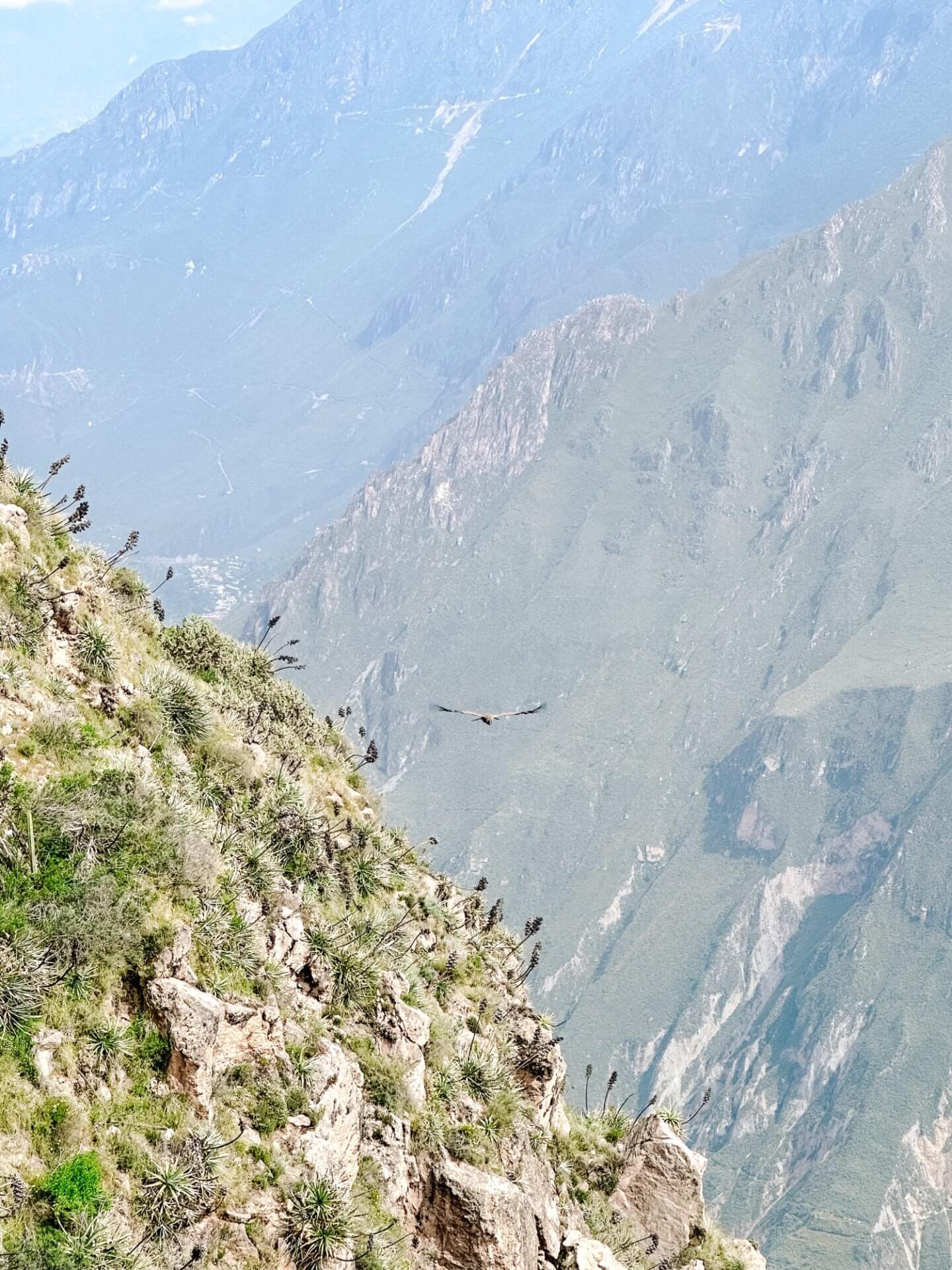
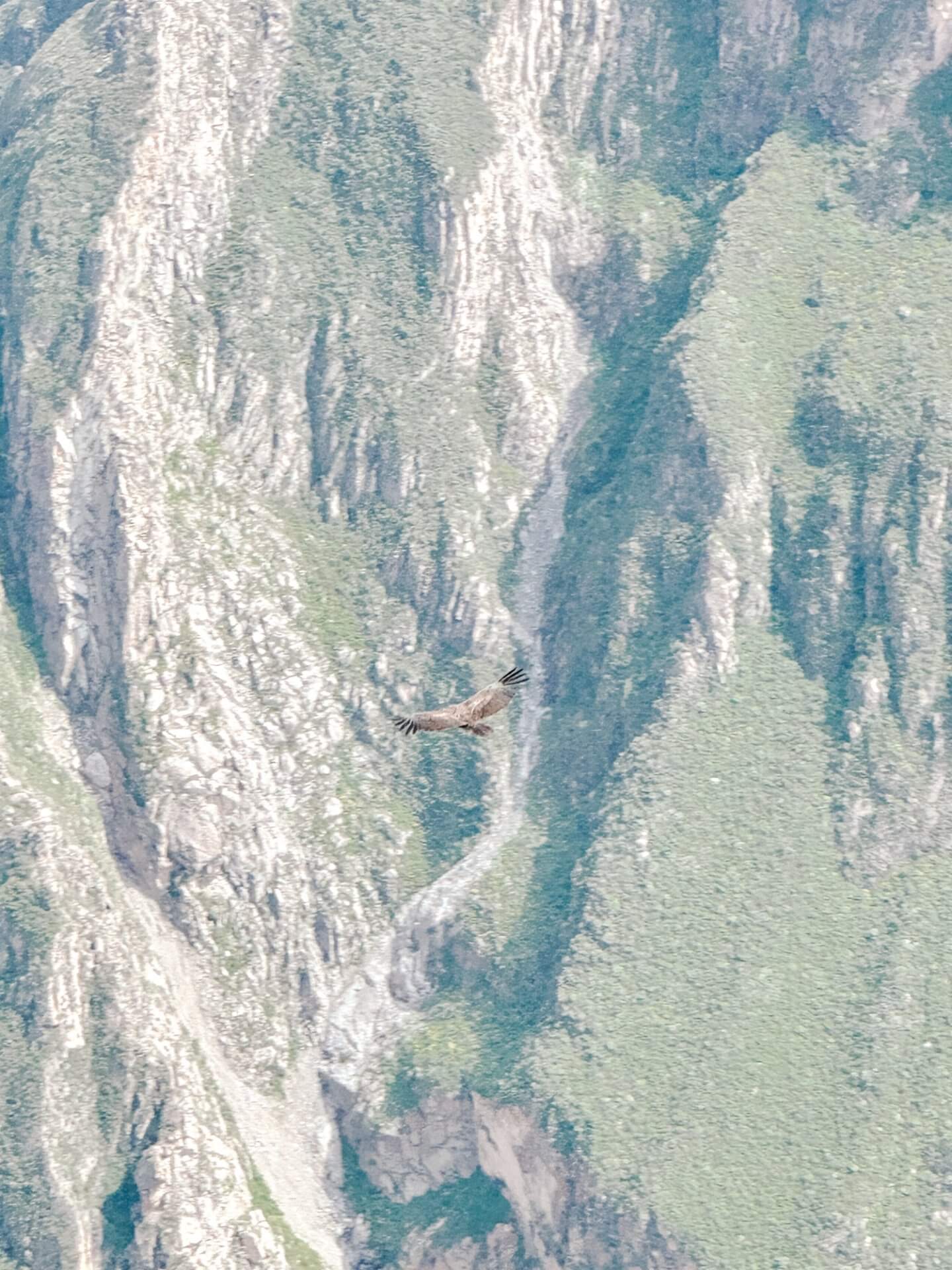
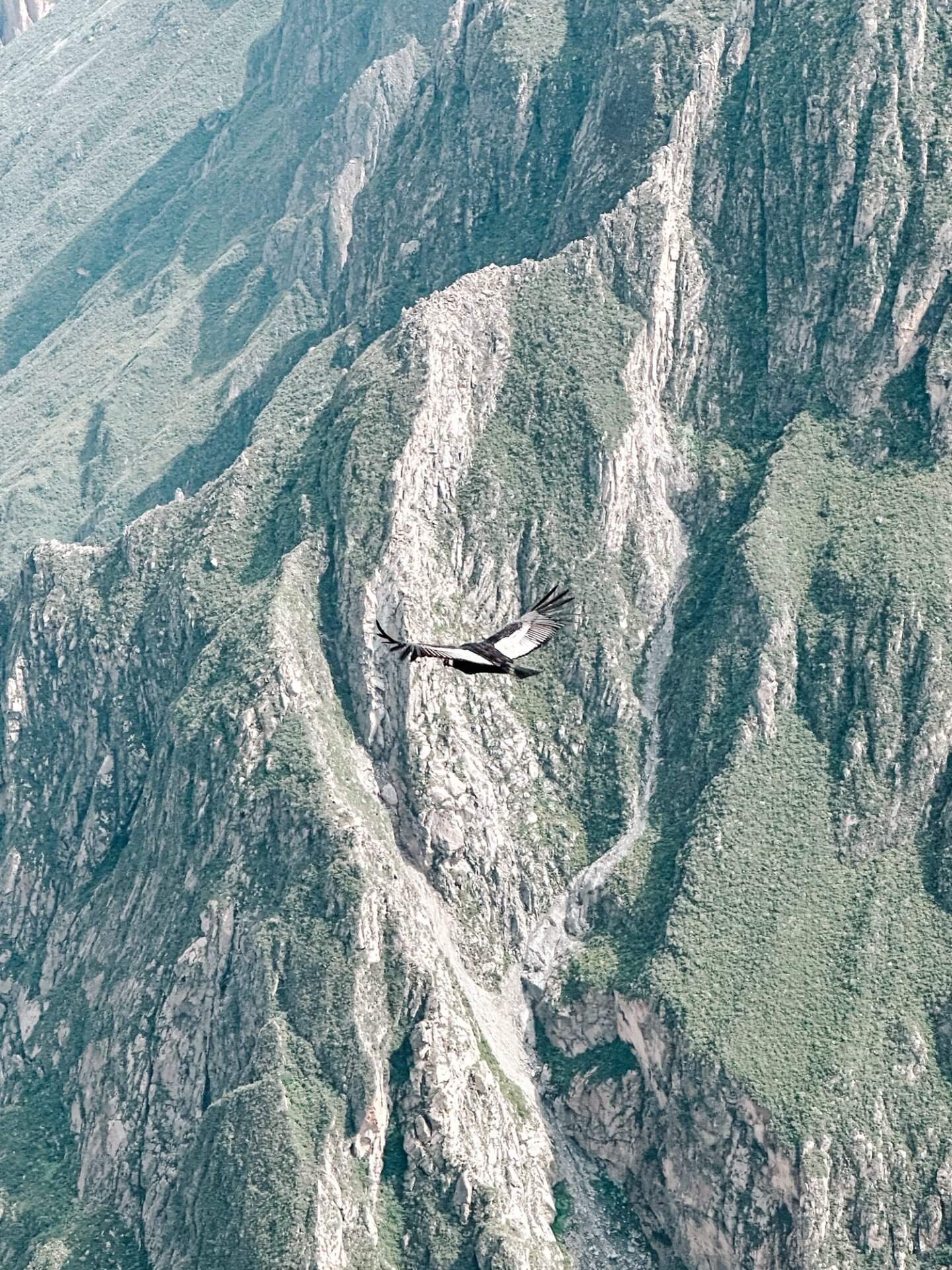
Condors were considered sacred birds by the Incas. You can even see a temple carved into the shape of one at Machu Picchu. The Incas believed the condor to be an immortal creature. The myth surrounding its renewal describes the majestic act of the King of the Andes, who, upon realising his ageing, gracefully folds his wings and plunges from the cliffs in a symbolic gesture, representing the cycle of life.
The Condor viewpoint is the most popular place to spot these birds flying, but there are many other viewpoints if you walk along the edge of the canyon. These are much quieter and you have just as good a chance to see the condors.
Discover the pre-Inca farming terraces
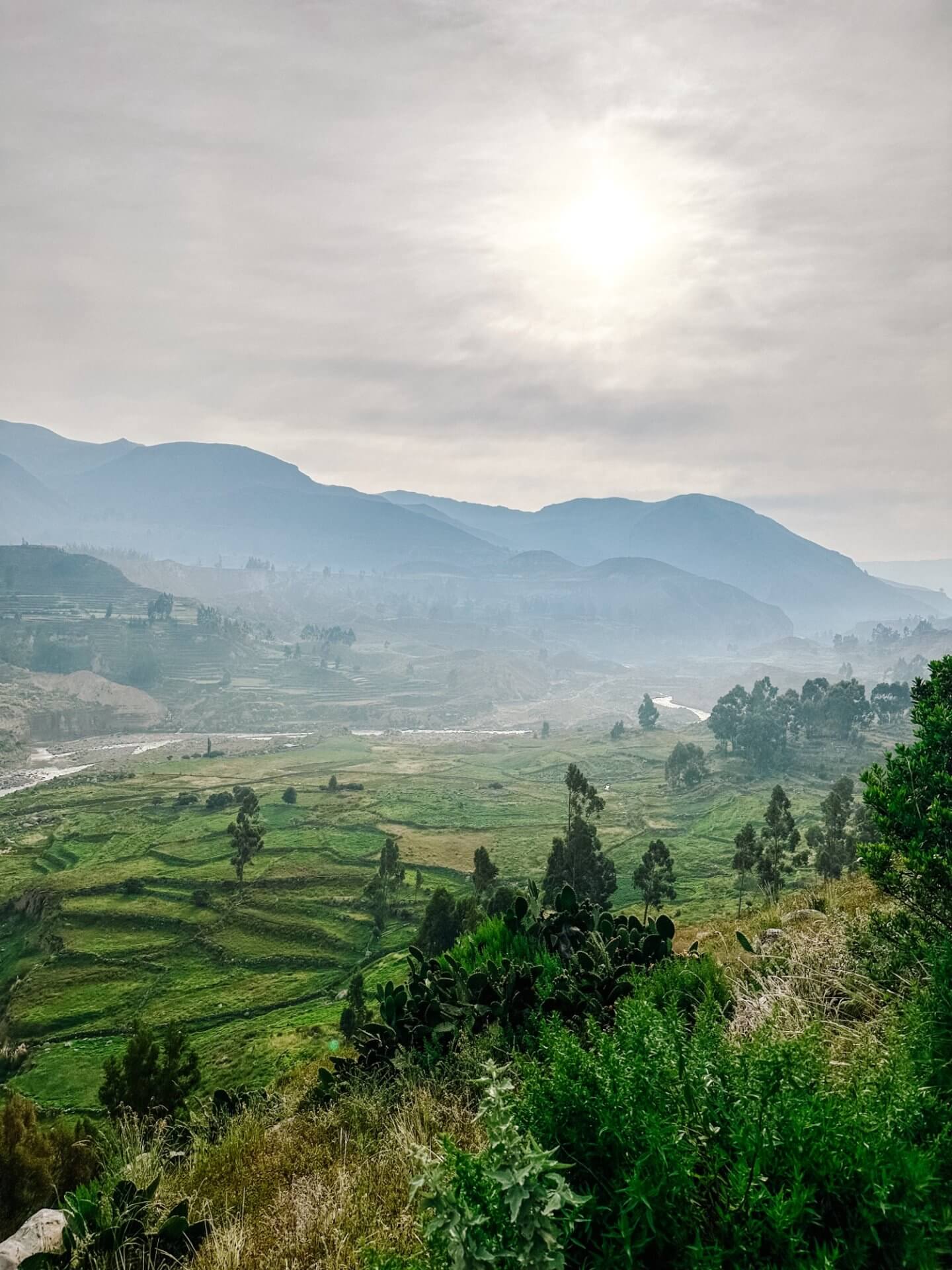
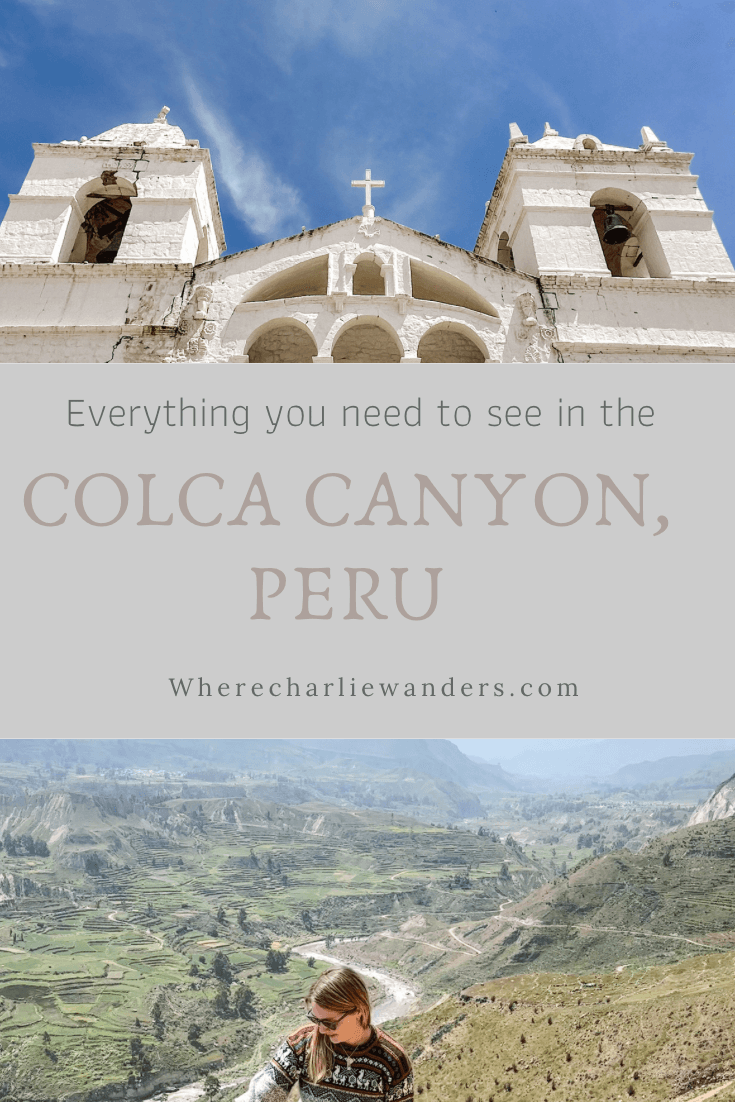
The Colca Canyon is largely covered by pre-Inca farming terraces. For over a thousand years, Andean farmers made these agricultural terraces to cultivate crops such as potatoes, maize, and other crops in the shallow soil on mountain slopes. While driving to the various viewpoints during your day in the Colca Canyon, make sure to stop and enjoy the historic scenery.
Visit hot springs
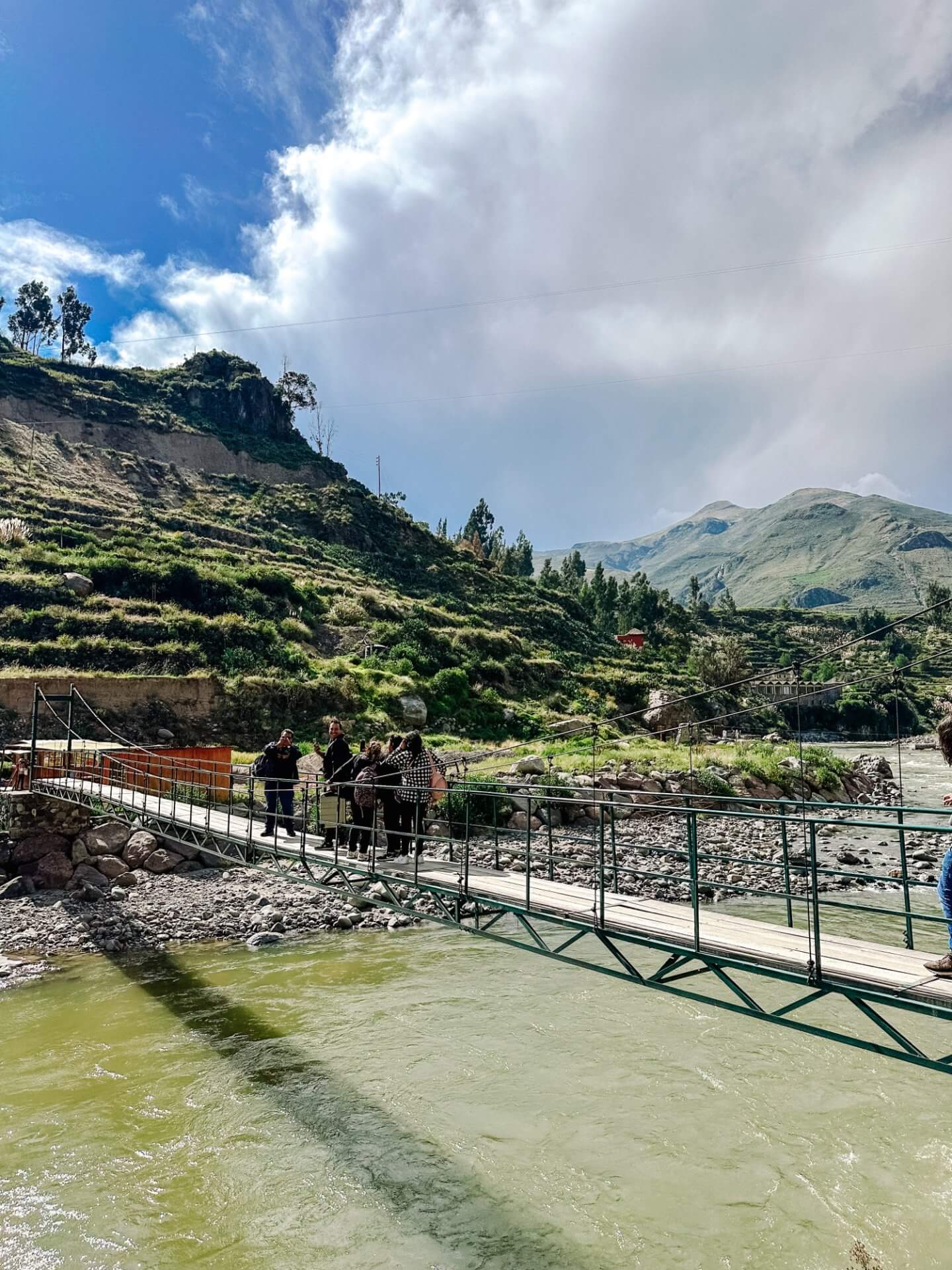
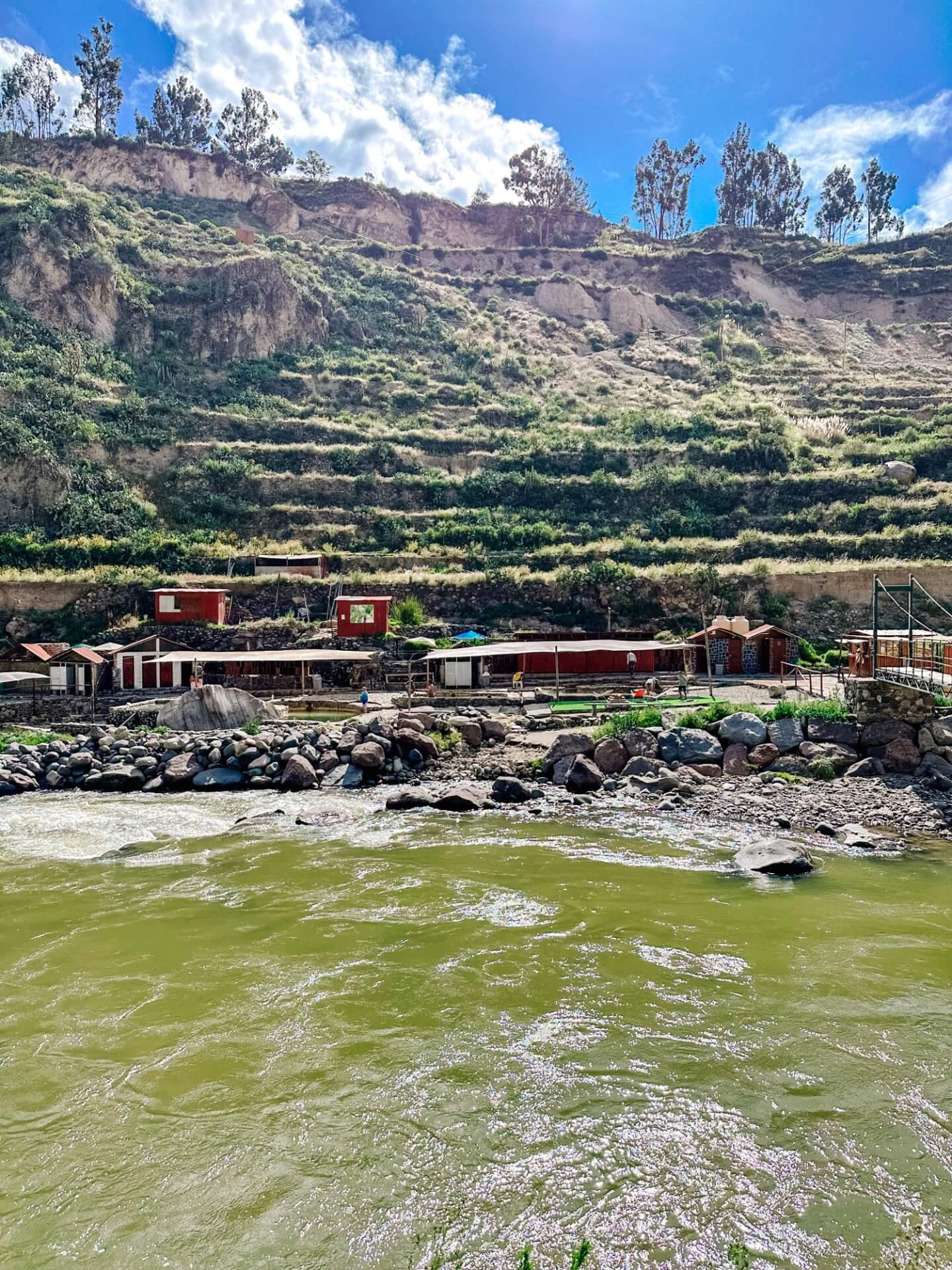
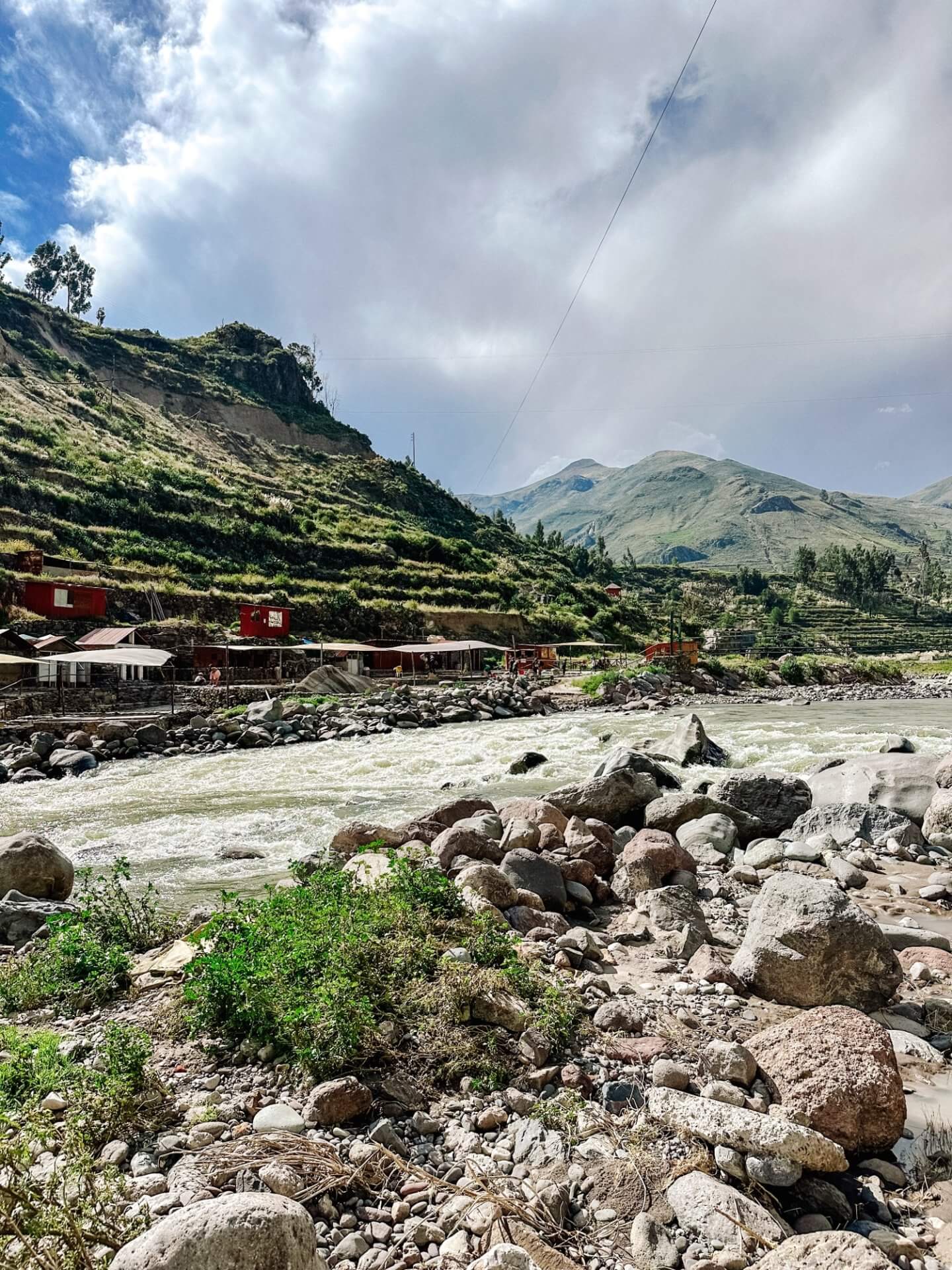
Thanks to the seismic activity of the region, Colca Canyon is home to several natural hot springs, such as La Calera and Chacapi. After a day of travelling to reach Chivay, or a busy day exploring, this is the perfect way to relaxThe combination of the warm water and the crisp mountain air creates a rejuvenating experience while gazing at the surrounding mountains, making it an essential stop on your Colca Canyon itinerary.
Wander around Maca
Maca is a small village with a town square and a beautiful little church. Granted, one of the main attractions is the brightly dressed women with the baby alpacas. For a small tip, you can hold, cuddle and have a photo taken with these little fluffy bundles.
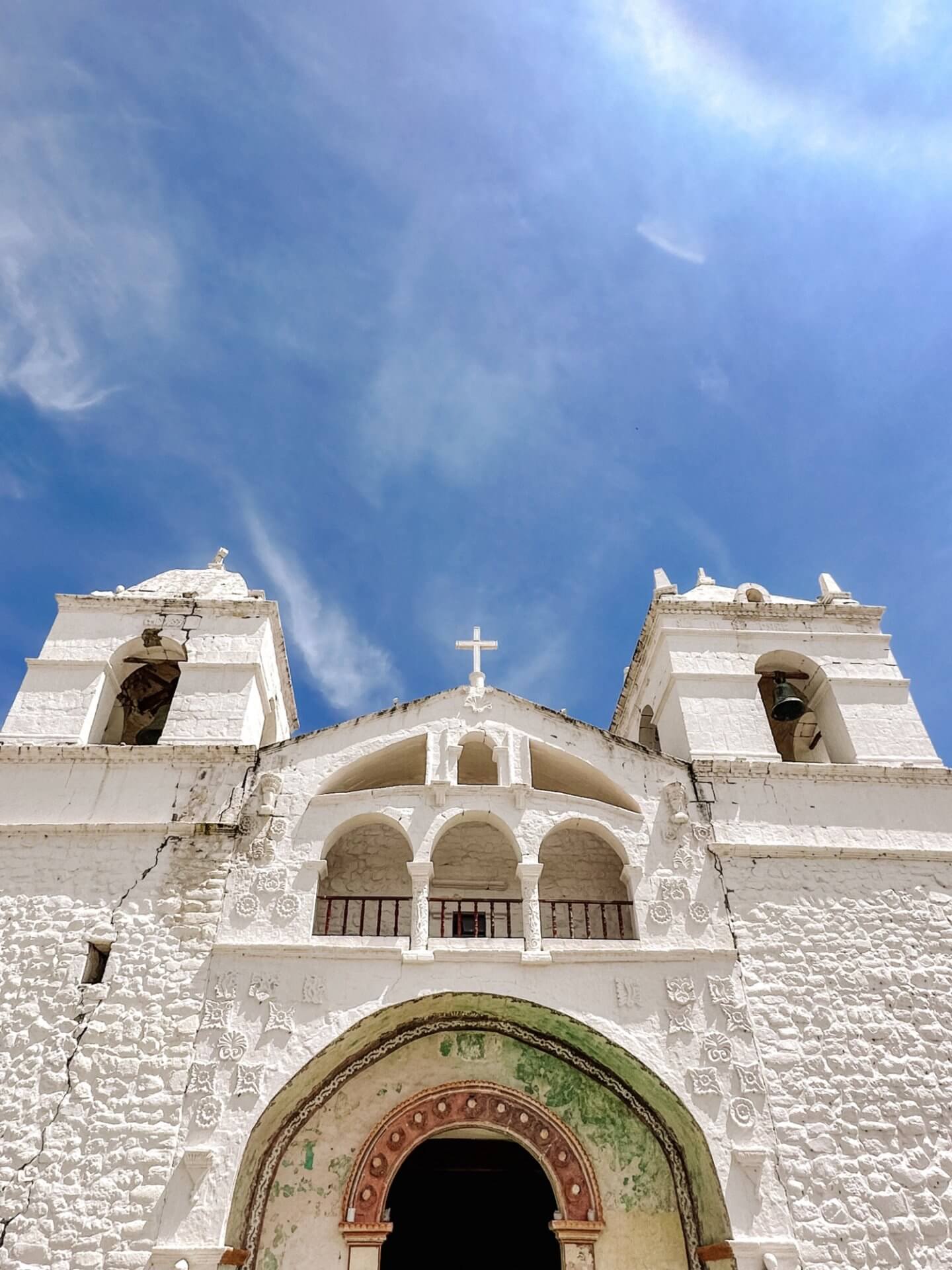
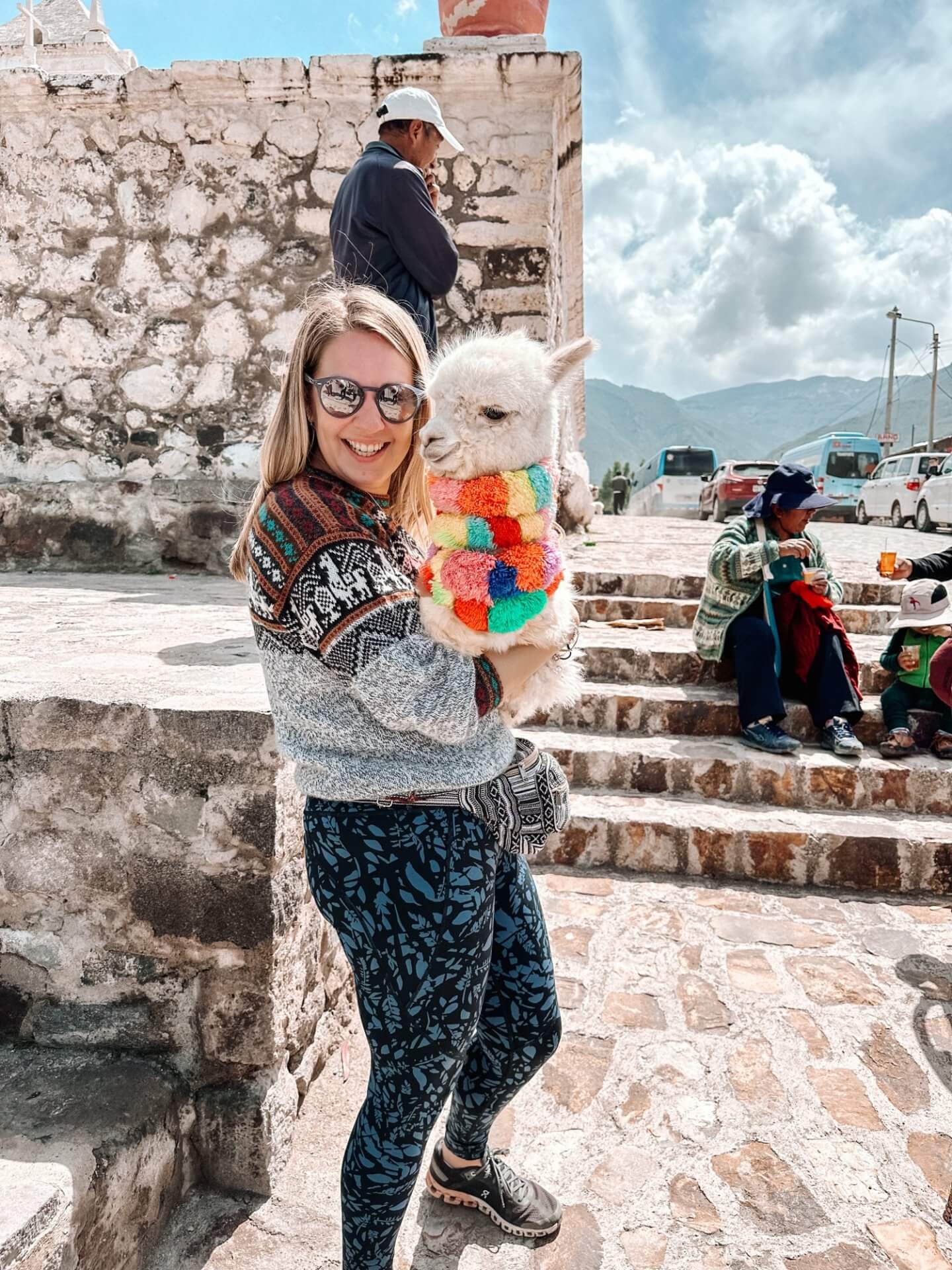
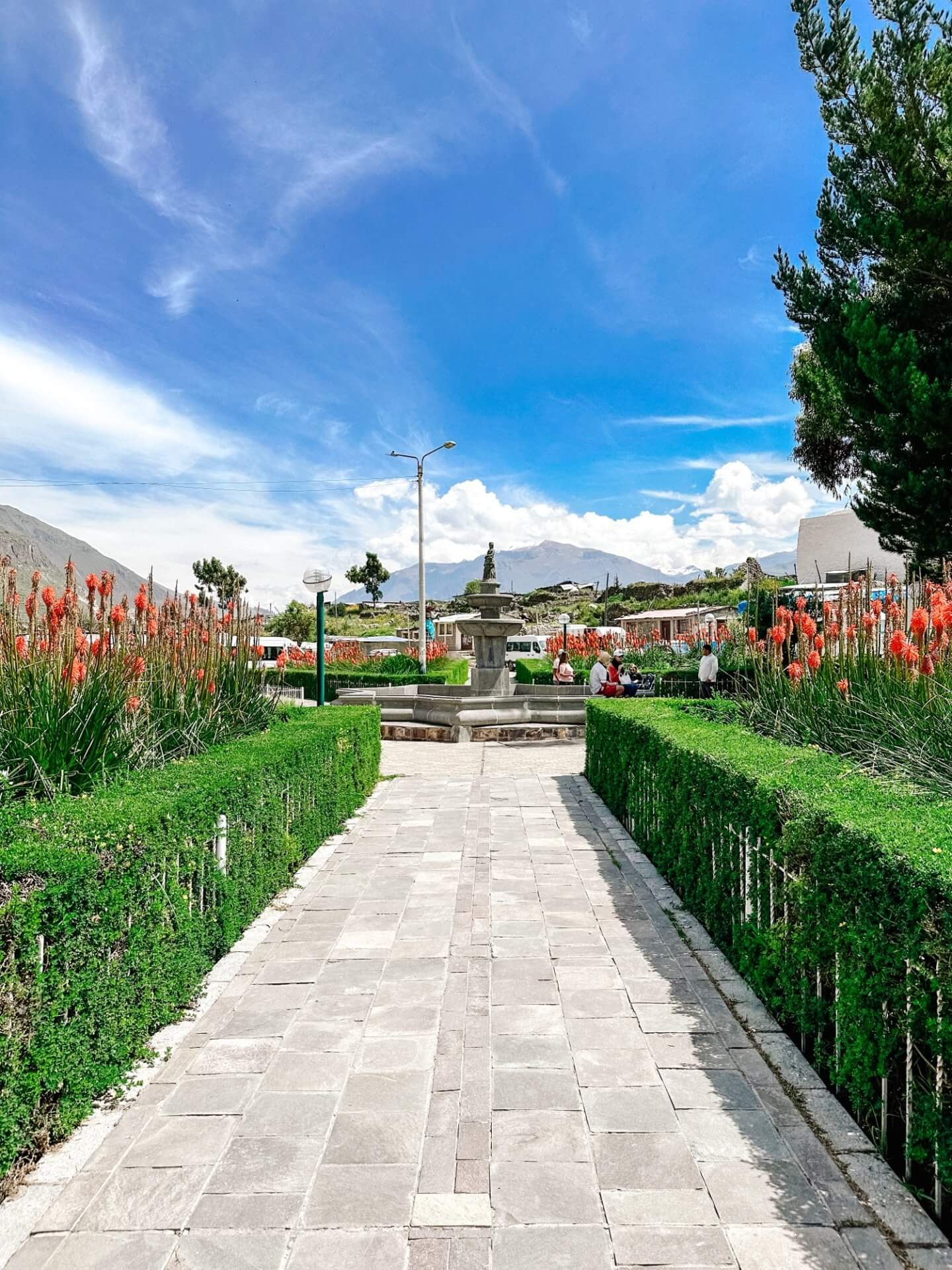
While you are there, don’t miss Maca church, a historical gem that dates back to the 16th century. This colonial-era church has a unique blend of indigenous and Spanish architectural influences. Check out the inside of the church to admire the intricately carved wooden altar and the vivid murals that show the region’s cultural and religious history.
Try a Colca Sour
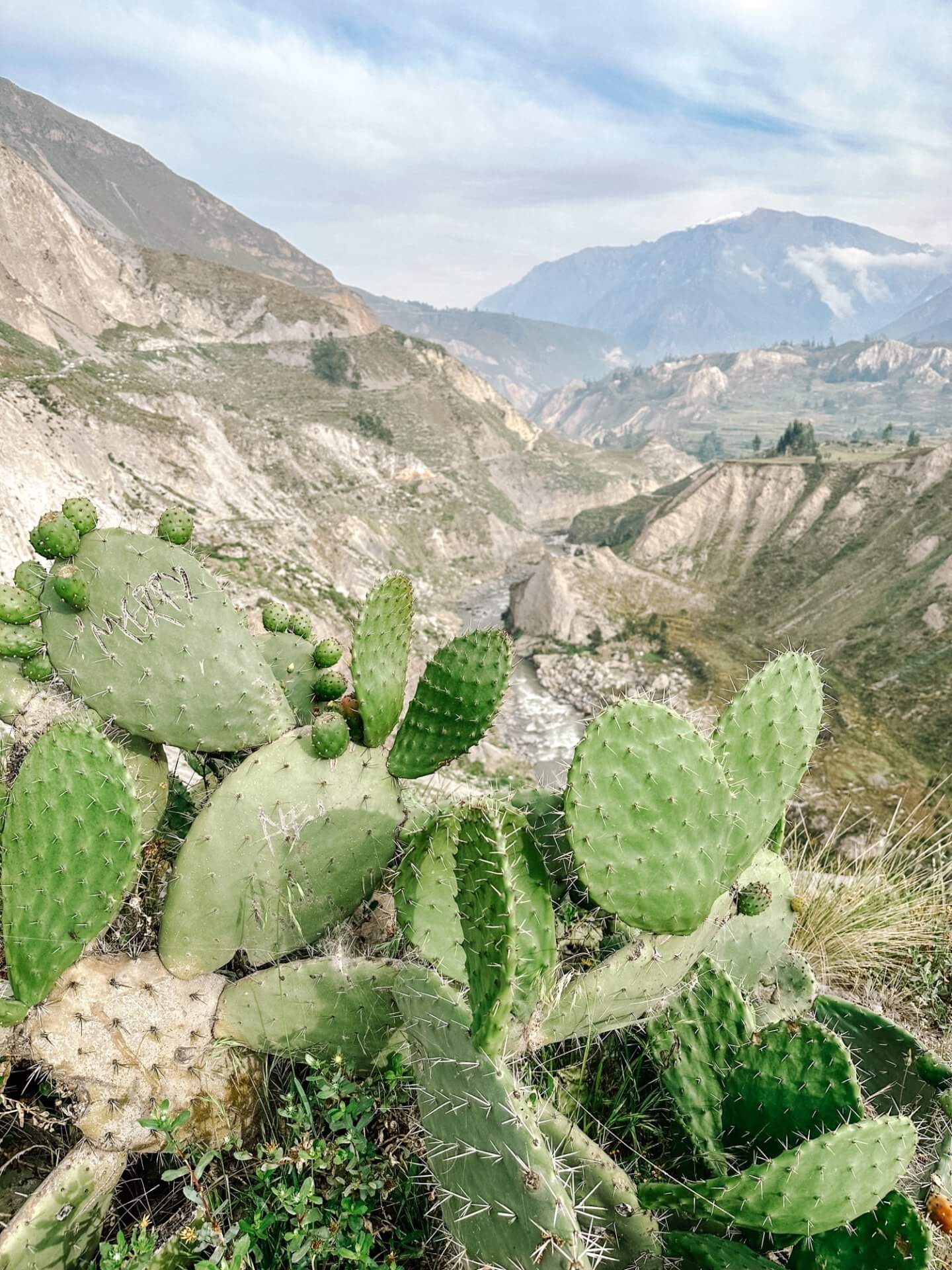
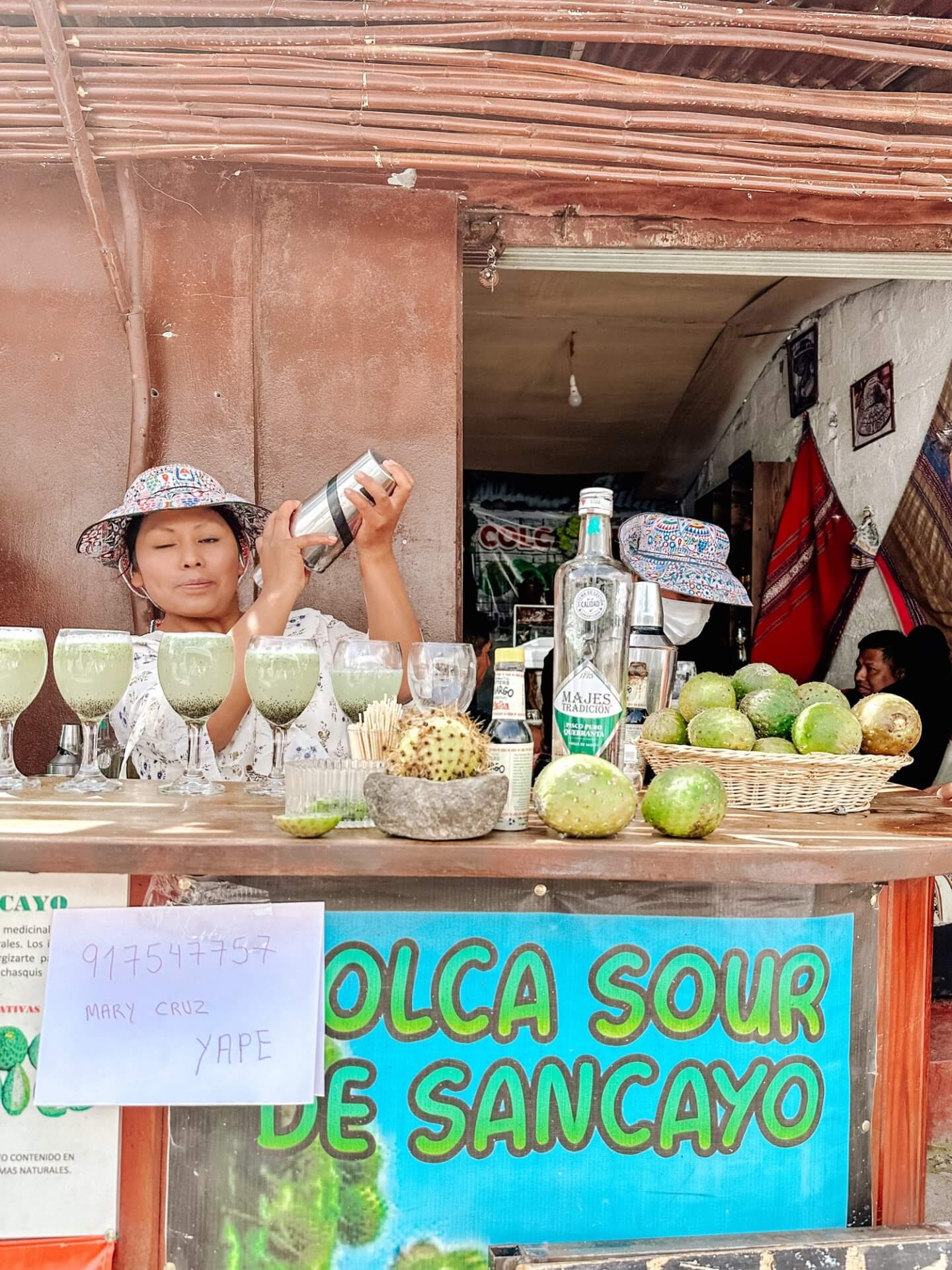
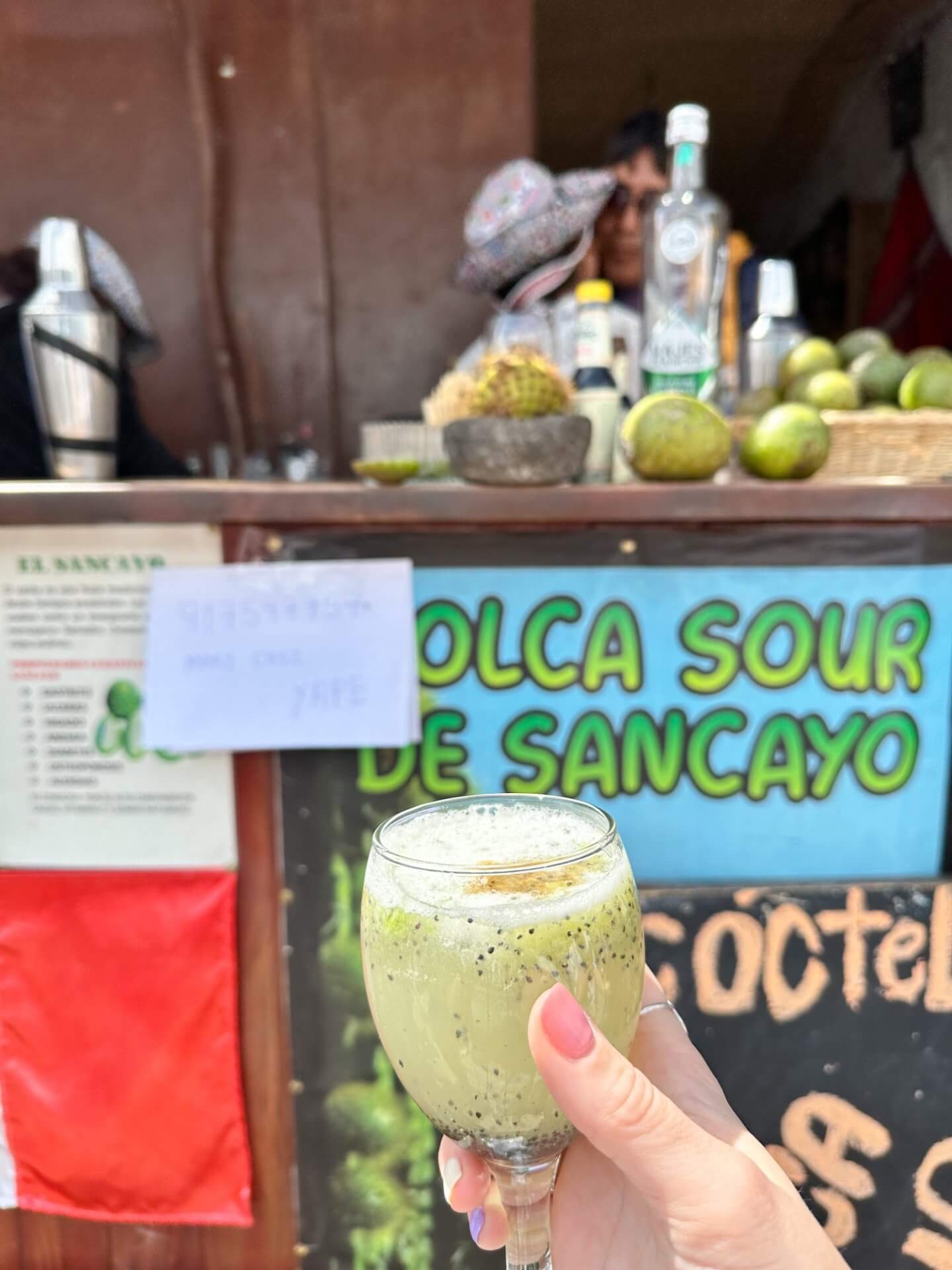
While the above culture is incredible, the one thing you can’t miss in Maca is trying a Colca Sour. Sure, this might be quite a lot at 10 am, but this drink is the most delicious thing. It is like a pisco sour, but the Colca Canyon version. Instead of lime juice, the locals use the Sancayo juice, a fruit that looks a lot like a kiwi. Sancayo; also called sanky, is “the forgotten fruit of the Incas.” It is an incredibly sour local cactus fruit that was used by the Incas as a hunger suppressant, replenisher, and medicinal aid to reduce problems associated with the gastrointestinal tract.
Nowadays, it makes the most delicious drink you need to try!
Enjoy the drive
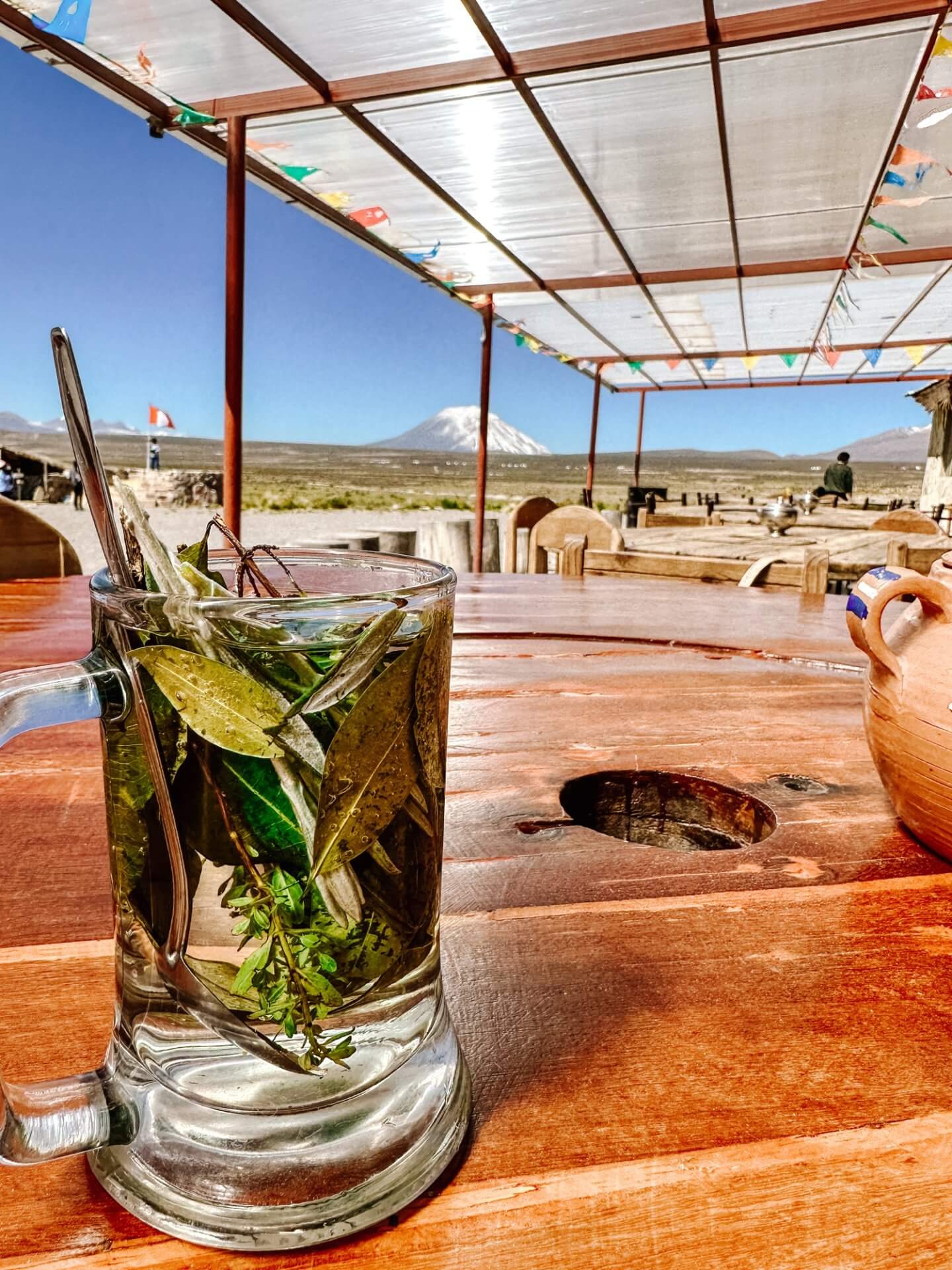
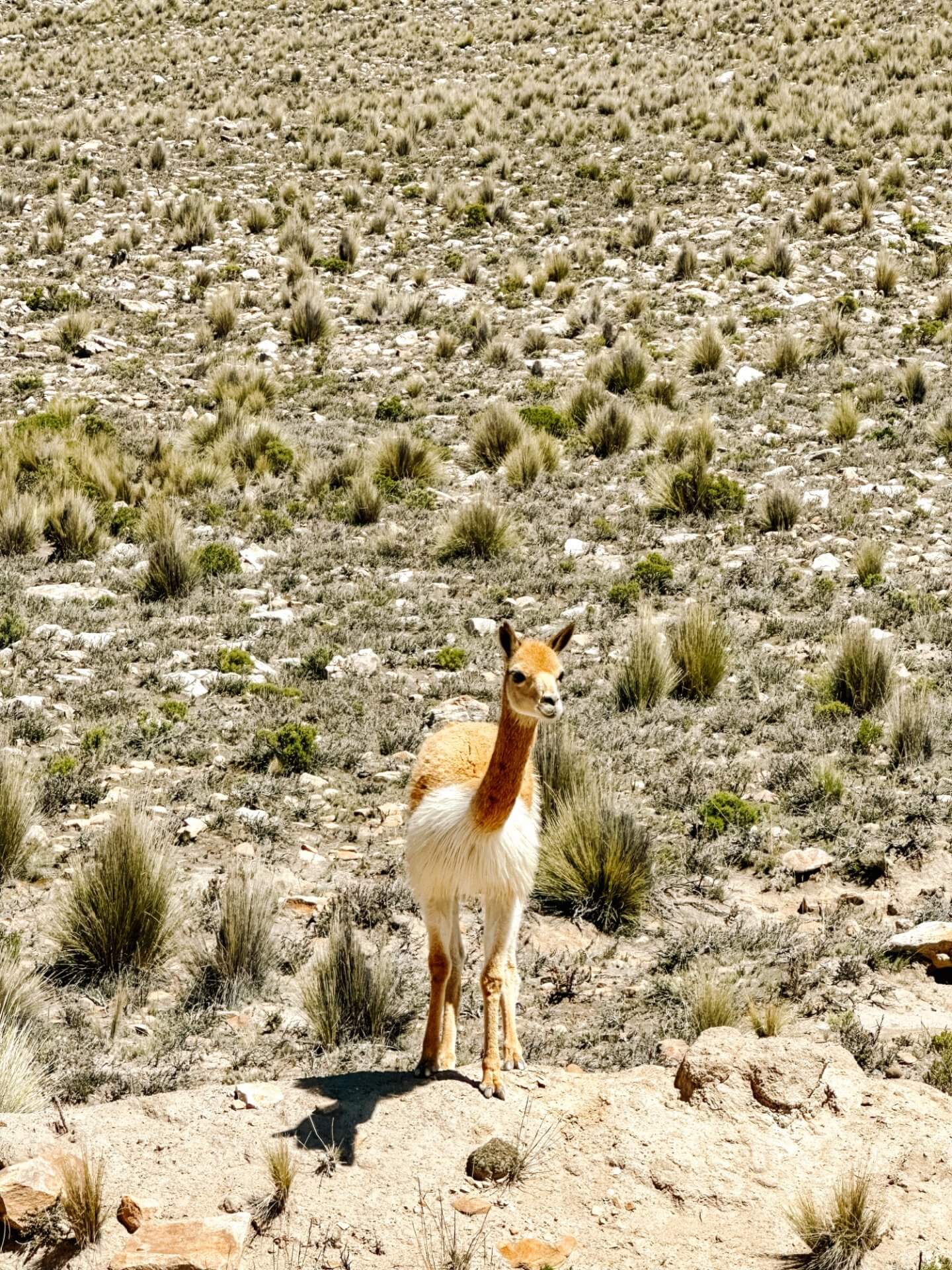
Part of the joy of visiting the Colca Canyon is enjoying the journey to get there. Leaving Arequipa you will head out of the city towards the Salinas y Aguada Blanca National Park. Stop off on the way to get some coca tea to help with the altitude. Look out for the wildlife – vicuna, one of the two wild camelids in South America, live in this area. As well of course as the llamas!
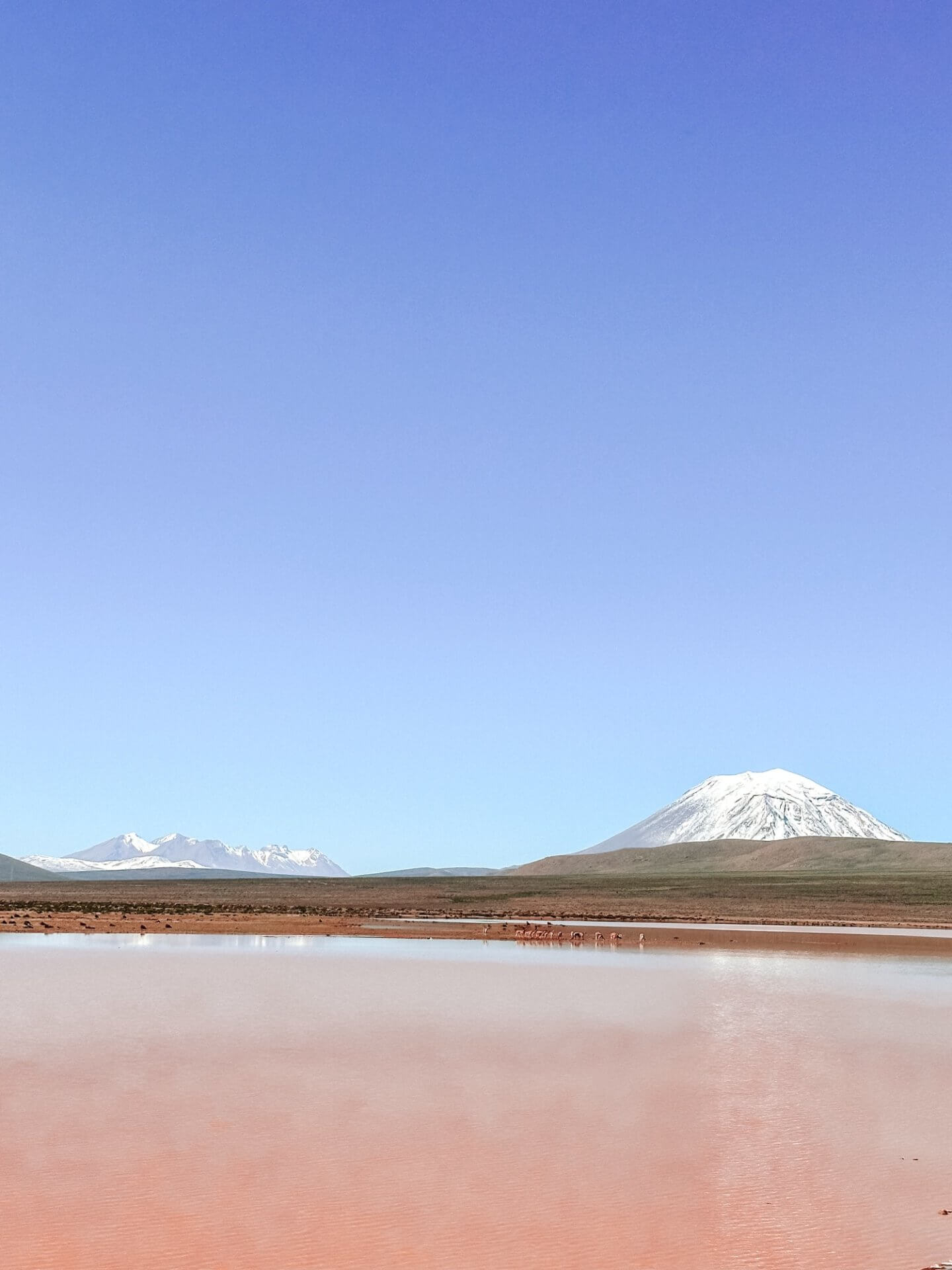
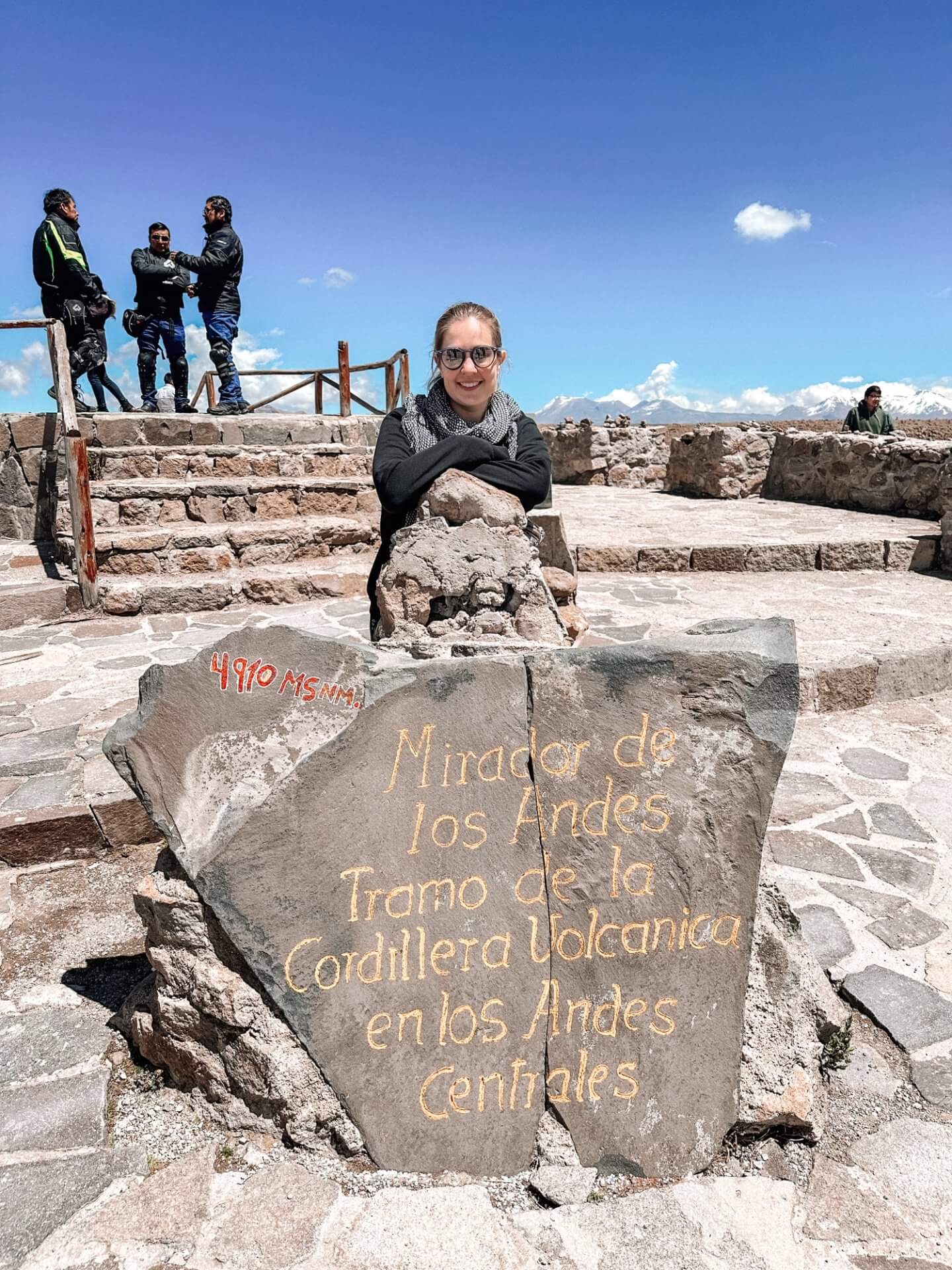
Along the way, you will also pass Mirador de los Andes, which at 4,910m, is the highest part of the drive. At each of these stops make sure to look out for the volcanoes.
Hopefully, this post shows that there is plenty to do in Colca Canyon, even if you don’t have the time to embark on a long hike. It is somewhere that needs to be on your Peru itinerary!
Useful travel tools and links
To help you plan your trip, here are some of my favourite useful travel tools and links I use on a daily basis to travel:
- Hostelworld: The place to book hostels and cheaper accommodation. Perfect for backpacking trips. With 24 hour cancellation options, and easy to manage from your account.
- Booking.com: One of the largest places to search for hotels around the world. Often with free cancellation options.
- Hotels.com: Also a fantastic place to source hotels, and they offer a loyalty programme.
- Expedia: Another option for hotels as well as a great place to search for flights, car hire and more.
- Skyscanner: The best place to search for flights to find the best rates.
- GetYourGuide: Easy access to book a wide range of curated tours, activities, and experiences around the world.
- Viator: A great place to search for group tours and day trips. Part of the TripAdvisor brand.
- KnowRoaming: eSIMs are a game changer for travel. Purchase before you go and be connected as soon as you land. KnowRoaming eSIM plans keep you and your devices seamlessly connected in 200+ international destinations.
- G Adventures: The ‘go to’ for all group travel tour adventures. Perfect for solo travellers.
- Amazon: Link to my storefront with ALL the useful gadgets and items I couldn’t travel without.
Please pin this post and save it for later.

Discover more from Where Charlie Wanders
Subscribe to get the latest posts sent to your email.